Friday, 29 March 2013

In praise of Ardrahan

Ardrahan is a semi-soft, washed-rind cheese. It has been produced by the Burns family on their farm in Kanturk, Co. Cork since the 1980's. It has a mild, nutty flavour that favours those like myself, for whom soft cheeses can be a bit stinky and uninviting. Ardrahan is made from vegetarian rennet and contains only 25% fat, which lessens the guilt I feel when scoffing it.


I first fell in love with it last Christmas, when I tried them spread over Digestive biscuits. The sweetness of the biscuits and the slight saltiness of the cheese was just heaven. I have also discovered that it goes wonderfully in omelettes, such as this one that I discovered today:

  • 5 free range eggs
  • 2 medium eggs
  • 2 medium potatoes
  • handful of spinach
  • splash of milk
  • seasoning
  • Ardrahan cheese to taste
Preheat oven to 200C. Mix eggs and milk and season. Fry the onions in a little olive oil until soft. Add potatoes and soften, followed by the spinach for a few seconds. Add the egg mixture and the cheese and place in the oven for 10 minutes.

The omelette is deliciously fluffy and creamy - the Ardrahan adding a nice savoury contrast to the eggs - and has become my all-time favourite omelette recipe.


Sunday, 24 February 2013

The horsemeat scandal and the future of the meat industry

The horsemeat scandal rumbles on, with revelations that food producers Nestlé and Bird's Eye have joined Findus in recalling beef products found positive for containing horse meat. Despite these companies playing down the food safety implications of the issue, the controversy seems to widen every day, drawing in increasing numbers of food suppliers. This furore has raised alarming questions about the safety of meat products and the trustworthiness of major producers, in addition to animal welfare issues.

The scandal has swept across Europe, affecting countries like France, Italy and Germany. The latter country seems to view the issue less seriously than others; its Development Minister Dirk Niebel suggesting that the tainted meat be given to the poor. His comment that 'We can't just throw away good food' underlines a fundamental misunderstanding around this matter, that it is just a few regulatory authorities getting in a tizzy over mislabelling. The human health implications are disturbing. While there is nothing inherently unsafe about consuming horsemeat, the animals involved were not raised to be eaten. Horses are frequently dosed with the anti-inflammatory drug phenylbutazone, which has it has been known to cause aplastic anaemia in humans

What this controversy will mean for the meat industry in Europe is as yet unclear. What is clear is the urgent need for improved traceability at all stages of meat production and processing. French President Françoise Hollande has called for compulsory labelling and full traceability of meat used in processed food on a European level. The lacklustre response from the Irish Government and fact that several Irish producers have been implicated have led to calls for a sea change in the meat industry. However, it was the Food Safety of Ireland's tracing system that brought this matter to light to begin with, exposing some major flaws in meat safety and accountability criteria among European producers.

What we need is stricter adherence to the laws that already exist, and to me, the best way to achieve this is to process Irish meat in Irish factories for consumption at home and abroad. On average, Ireland exports 216,000 head of cattle per year, a practice which is not only cruel and stressful for the animals, but helps prevent a fully-fledged meat production industry from developing in Ireland.


Ireland has ancient associations with cattle and herding. It is internationally renowned for producing quality grass-fed beef, and this reputation may be materially damaged by this fiasco, which may not be a public health scare, but is certainly public relations disaster. An end to live exports would mean a massive boost to the economy in Ireland. Instead of sending our resources overseas, we should be adding value to them right here in Ireland. In doing so, we would create a food industry that would not only create jobs in farming, processing and packing, it would boost other service industries like delis, butchers, restaurants and local supermarkets, not to mention ancillary industries. Profit would remain in Ireland. Jobs would be created. Communities would thrive.

When animals are slaughtered and processed far from where they were reared, accountability and oversight is often absent. This is why scandals like this one happened, and may well happen again.

Thursday, 7 February 2013

The Great Coddle Controversy

Anyone who has ever heard Dublin folk talking about coddle will know how divisive the topic can be. I have overheard people engaged in passionate debates about the best way to cook the famous dish.  To those who don't know, coddle is a recipe uniquely associated with inner city Dublin. It is a stew-like dish which consists of  basic vegetables like onions and potatoes in addition to the main ingredients, bacon and sausages. To many people, coddle is an evocative meal, one that conjures memories of childhood dinners. Others simply enjoy its indulgent quality. When done well, coddle can be a sophisticated dish, its flavoured developed through slow cooking. It was Jonathan Swift and Seán O'Casey favourite meal, according to report.

To working-class people in the past, Dublin coddle was a hearty, nourishing meal made up of leftover meat. Today, it is comfort food to many who grew up with the dish, and who still insist that only they know the proper way to prepare it. Some insist on white coddle, in which the ingredients are boiled together, while others prefer the dish to be flavoured with a stock cube or gravy browning. To the former group, this is tantamount to heresy. 'Real Dubliners don't eat brown coddle,' I heard one work colleague comment.

What is the difference? Well, the addition of stock gives the meal more of a stew-like flavour than coddle puritans are comfortable with. It turns out that fans are just as picky when it comes to the vegetables included in the recipe. I read furious online comments which read:  'Boo, no carrots! Sacrilege, Carrots in Irish Stew not coddle' and 'these people who are putting carrots in a coddle must be the same sorts who put beans in a full irish breakfast. Culchie infiltrators.' Tomatoes are another eccentric ingredient that some add to the pot. There seem to be no end of twists and variations on the classic recipe, each claiming to be their Granny's authentic Dublin coddle. Myself, I have no ethical problem with people adding tinned peas or cracking a dozen eggs over the top. Like language, food develops its own local dialects and variations over the years.

Many find the idea of throwing sausages and rashers into a pot and boiling them with onions and potatoes to be disgusting. This was my initial thought, but as a true student of food culture, I felt it my duty to try it out. My recipe was adapted from this, and I couldn't resist adding a drop of stout as suggested by the Wikipedia page:

* 250g unsmoked back bacon cut into lardons
* 250g sausages
* 3 medium onions
* 750g peeled potatoes
* 500ml water/stock
* chopped parsley
* drizzle of O'Hara's or other stout

In a heavy-bottomed pot, lay chopped onions on the bottom and layer the other ingredients. Season each layer with pepper. Add water/stock, Guinness and parsley. Cover tightly, bring to the boil and simmer very gently for 2-5 hours to allow flavour to develop.


Best served with soda bread or quickly boiled cabbage and a glass of the remaining stout.


It may not look like much, but it's surprisingly delicious. The flavour is helped by the generous addition of pepper, and the stout adds a nice undertone and helps cut through the salt. The sausages were not at all slimy as I had feared, but rather melted delightfully in the mouth. Highly recommended.

Wednesday, 1 August 2012

The Ignorance surrounding GM is not just on the part of its opponents, but also its advocates

I got into a lively debate with a chemistry graduate at a recent public talk given by a representative of Teagasc on 'Biodiversity Options' in Irish farming. Perhaps it was impolitic of me, but I couldn't resist asking the speaker on her views concerning Teagasc's aggressive pro-GM stance. She had no apparent views, but nonetheless a mini-debate was triggered, threatening to side-track a pretty anodyne discussion. Was it wrong of me to bring this up? I am yet to be convinced, given that this was talk on biodiversity where the term 'biodiversity' appeared to be viewed as a mere sales term.

In any case, this graduate was eager to educate me on the intricacies of genetic engineering – thinking me ignorant on the topic. I countered by suggesting that what biotech was trying to do was cheat natural selection. He responded by stating, and here I am paraphrasing, 'Given the choice between change happening in six generations and one, I will choose one'. But, I objected, we don't know the medium- to long-term effects of GM food on the human body or the environment. A woman, whom I took to be a classmate of his, dived in, ready to inform me all about GM. She had, after all, recently completed her thesis on the subject. So I challenged her to produce the raw data from human cellular and genetic testing which shows that GM food has no negative impact on health. She could not.

I wondered how someone could write an entire thesis on something without having the raw data concerning its health effects on hand. I wondered further, how someone could advocate something as being safe without having this data. How can you place your implicit trust in a group of corporations, based solely upon their word? Then I was reminded of a quote from Aaron Sorkin's paean to the folkloric notion of nobility and honesty in politics - The American President, when Michael Douglas's President Andy Shepherd finally lets loose on hawkish Republican Bob Rumson, played by Richard Dreyfuss:

I've been operating under the assumption that the reason Bob devotes so much time and energy to shouting at the rain was that he simply didn't get it. Well, I was wrong. Bob's problem isn't that he doesn't get it. Bob's problem is that he can't sell it!

True enough, scientists have grants to obtain and jobs to secure, and going against the apparently unimpeachable probity of biotech companies would appear to be career suicide. They see a problem: increasing famine and drought, climate change and population growth, not to mention a vocal section of society that seems happy to live with their heads in the sand regarding these matters. They see scientific progress as major instigator of the forward momentum of humankind. In a world with diminishing resources and finite space, why should science not be the answer to our collective prayers?

Unfortunately, since the industrial revolution, scientific inquiry and ethics have become increasingly estranged from each other. Science appears to be inextricably linked with the relentless growth of the corporation in modern times. Efficiency and the bottom line seem to be the guiding star of the scientific world. This is the only way I can explain the amorality surrounding the involvement of scientists in the ever-deadlier pursuit of war. The Nazis were not the only monsters in the mid-20th century, as the people of Japan, Vietnam, Cambodia and many other unfortunate battlefields can testify.

It may seem simplistic to state that science has replaced god in people’s lives, but there is an unavoidable truth in this. Since Darwin unlocked the genius of natural selection, scientists have seemed insatiable in their desire to go one better than nature, and in doing so have shown their fundamental scientific illiteracy. The pro-GM lobby likes to call opponents scientific luddites. However, in attempting to surpass the excruciatingly gradual and seemingly cruel nature of the evolutionary process, the biotech industry is itself guilty of this cardinal sin. It is not us who are ignorant of science. We want the evidence. All we want is to know if what you are eager to force down our throats is safe. Is that too much to ask?

In the light of the Environmental Protection Agency's green light to a trial of genetically modified potatoes in Ireland, we are seeing a chilling trend in recent times which has heralded a more aggressive campaign than ever to force GM onto our plates. A recent court ruling in France lifted a temporary ban on modified maize developed by Monsanto, stating: "no specific scientific evidence, in terms of risk to human and animal health or the environment". Since when do those proposing something no longer have to present evidence to support their contention? Why do those questioning it suddenly have to shoulder the responsibility of producing evidence? It's like a theist demanding that an atheist prove that God doesn't exist – a logical fallacy.

Indeed, it seems that governments are placing an unwarranted amount of faith in the statements of corporations. If GM food is safe, why does the biotech industry not produce this evidence, but rather make it nigh-on impossible to access it? What are they hiding and why? Could it be that the anecdotal evidence from farmers and campaigners around the world is true - that GM crops contaminate non-GM crops by cross-pollination, that the failure of GM crops to thrive in India has caused hundreds of farmers of commit suicide?

The EPA and the Irish Government are not interested in such evidence, however compelling. They are only concerned about quick fixes and the appearance of progress. The scientific research being done into polyculture and small holdings as a solution to the growing food crisis is of little matter to them. Like our friend Rob Rumson, their only concern is that they might have trouble selling it.

Tuesday, 10 July 2012

Ireland's wild palette


In a time when food security is becoming an increasingly fraught issue, when organic growers are being pushed further into the margins and the onslaught of genetically-modified foods is growing ever more vicious, increasing our individual and national self-sufficiency is vital. The intrinsic unsustainability of so-called conventional farming as well as constant instability in oil prices could soon herald crisis which threatens the ready availability of food in our shops and supermarkets. 

As more information has become available about the health dangers caused by artificial pesticides, insecticides and fertilizers, as well as the untold harm caused by GM foods in our diets, the popularity of the movements such as organic and grow-it-yourself has increased greatly in recent years. Allotments and community gardens have once again become staple sights in our urban landscape and new concepts such as guerrilla gardening have helped to brighten up sites left vacant after the collapse of the building industry.


In addition to such initiatives, many have returned to raiding nature’s larder as a means of broadening the variety of foods in their diets, as well as recapturing the simple pleasures of gleaning mushrooms, nuts, roots and wildflowers – long-forgotten past-times to many.

For thousands of years, Irish people have supplemented their diets by taking advantage of the many types of free food that nature provides. Necessity meant that many had to turn to foraging in order to combat the uncertainty of the Irish climate which meant that food could be scarce. Poverty and strife meant that people became increasingly dependent on what they could forage from the wild. 

In early times, seaweed was harvested both as a natural fertilizer and as a nutritious food. The spring tide closest to St. Brigid’s day was known as Rabharta na Féile Bríde, and was considered the most favourable tide of the year for collecting seaweed. Dilisc and Carraigín are two examples of Irish seaweeds which historically helped supplement the Irish diet as they are full of nutrients such as calcium, magnesium, iron, protein as well as vitamins A, C, D, E, K and B12. Today, they are exported around the world for use in food and cosmetics, as well as being an excellent natural fertiliser.


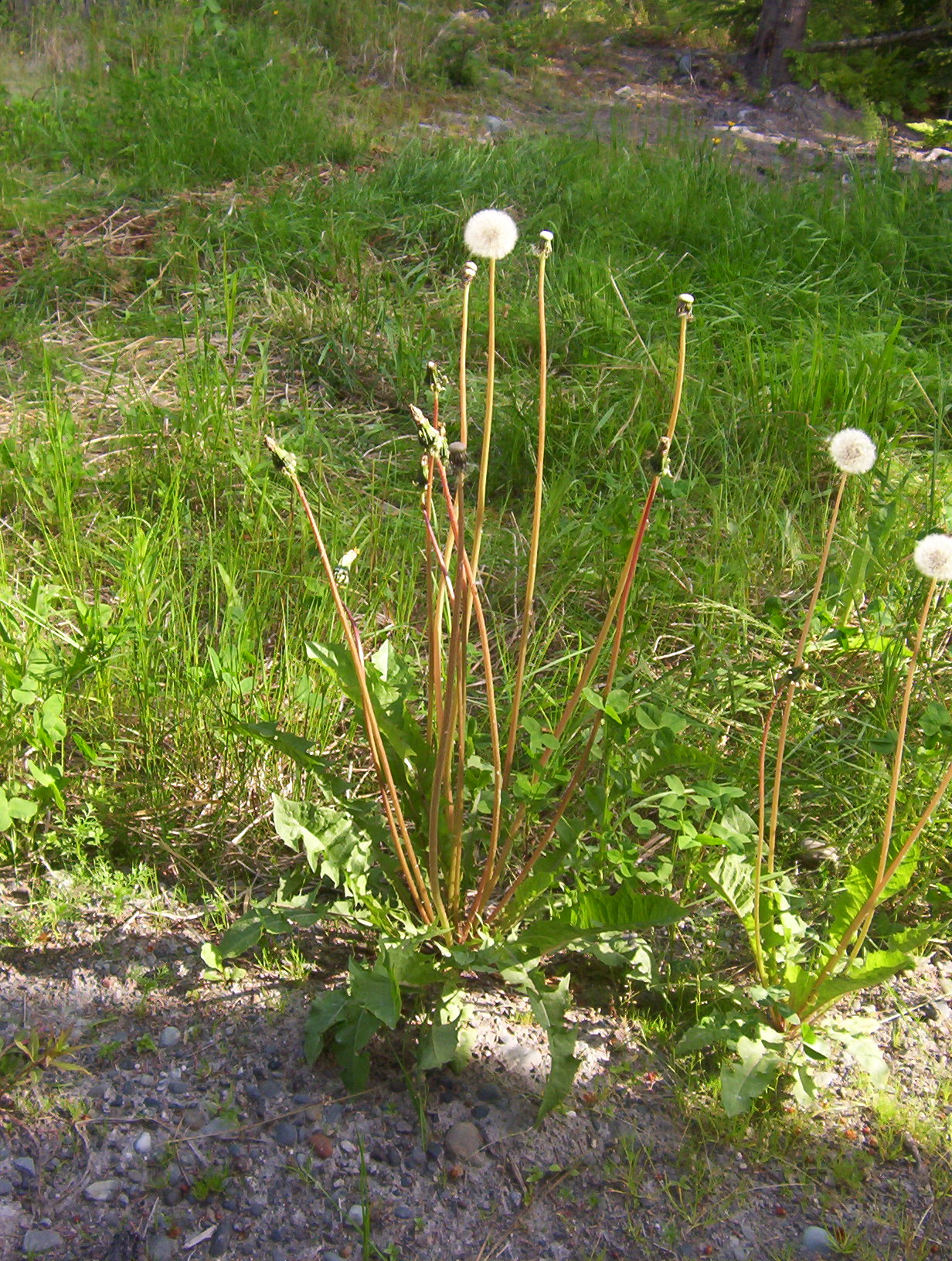
Long considered the bane of well-manicured lawns, the dandelion is a tenacious foe to many gardeners and often falls victim to chemical weed-killers. However, few are aware of what beneficial aid it can be to organic gardeners. The deep roots of the dandelion also taps nutrients sourced from deep within the soil and brings them up to the surface. Dandelion tea is a wonderful organic feed which can give plants like tomatoes an extra boost. The leaves of the dandelion can be boiled or simply eaten raw in a salad. They are a natural super-food, filled with essential vitamins and minerals such as beta-carotene, vitamins A and C, iron, calcium and protein, among others. As well as being decorative, the flowers can also be eaten raw or cooked.


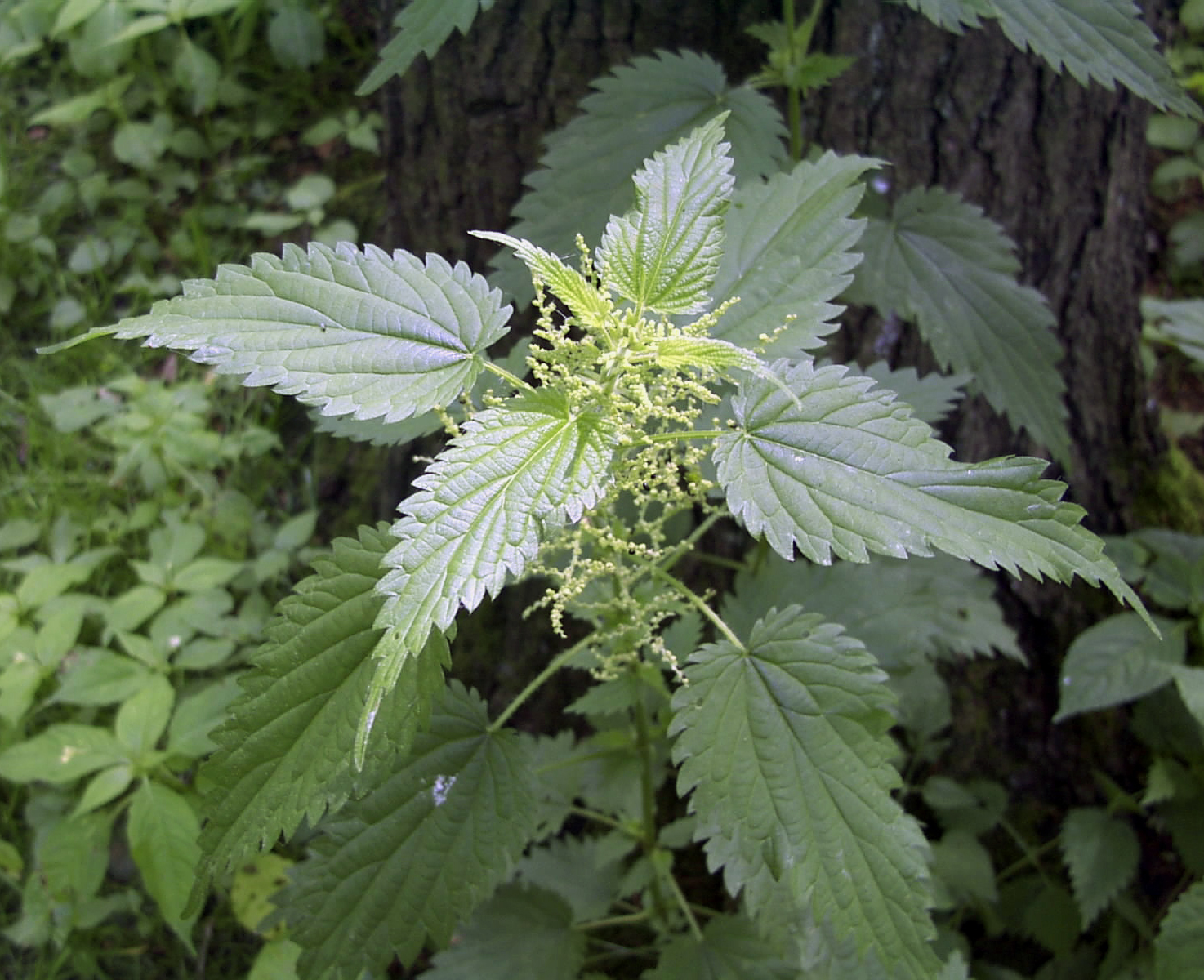
In Ireland, many people overlook the painful stings which nettles cause because of their healthful properties. When young shoots are picked early in spring, they can be added to water and drunk as a soothing and relaxing tea which helps calm acid indigestion. They can also be boiled in a soup or blanched to remove the sting and used as an alternative to spinach or other cooked greens in many recipes. They are a delicious source of anti-oxidants, as well as vitamins A, C and E, calcium and iron. 


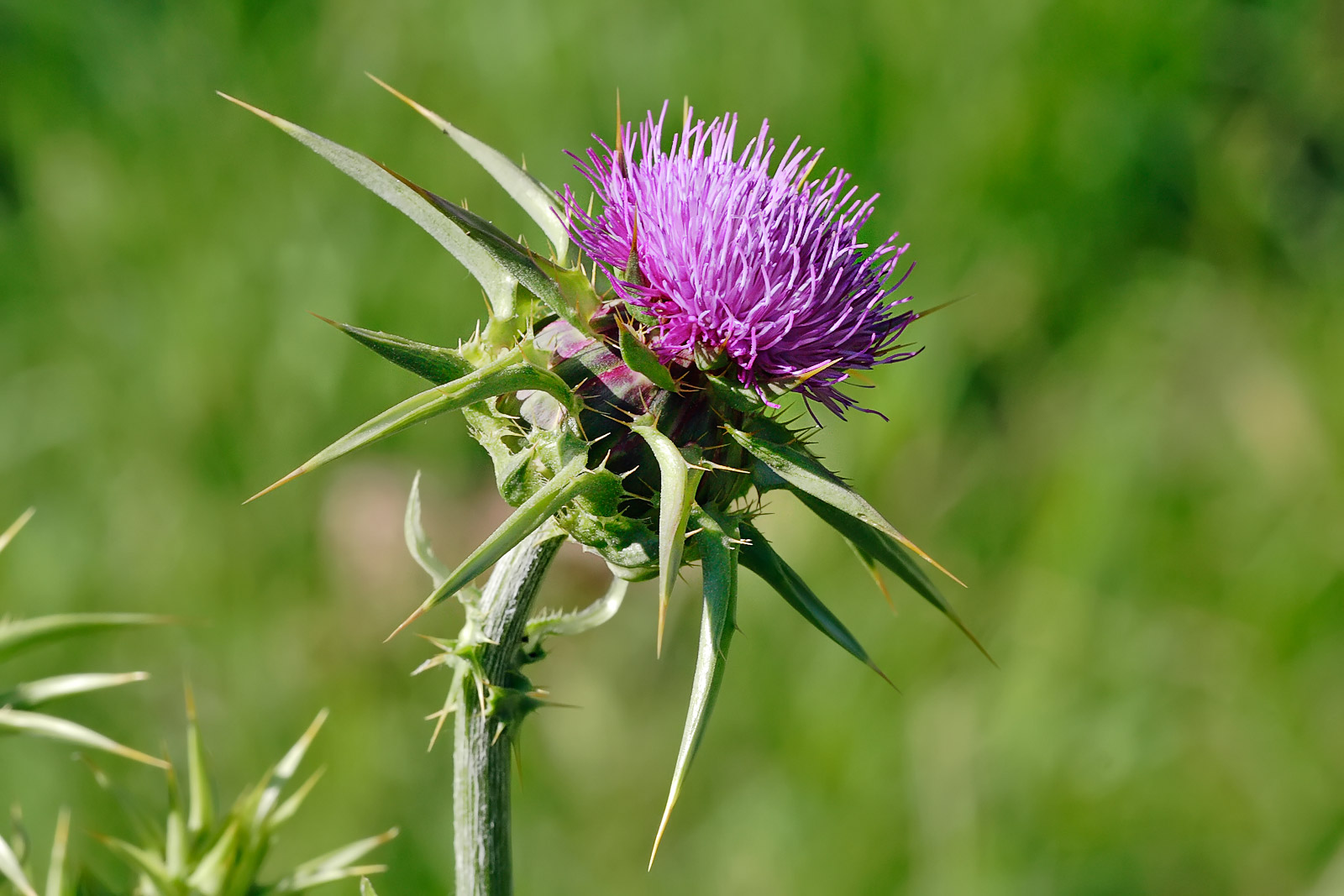
Also unjustly ignored as a food source due to their spiny and forbidding appearance is the humble thistle. Young shoots can be eaten in salads, and roots can be chopped and fried. Always wear gloves and take care when harvesting as they can give you a nasty sting.

 
It goes without saying that one should only forage for food on land which has not been chemically sprayed or is located too close to roads. Be sure that you source wild foods from areas away from toxic dumping or effluent pipes. In order to safely enjoy the healthful benefits of these foods, know what you are picking. Stay away from unfamiliar weeds or mushrooms, and by all means buy a reputable guide to plants and familiarise yourself with the ones that are safe to eat. 

I recommend the seminal ‘Food for Free’ by Richard Mabey as a starter primer. It was originally limited to English plants but the new edition features Irish plants as well. From time to time, the Organic Centre in Leitrim runs courses on ‘Foraging for wild herbs and plants’, taught by Joerg Mueller. Keep an eye on their website for this and other interesting courses.

Tuesday, 28 February 2012

Teagasc plans GM potato trial in Ireland

Teagasc - The Irish Agriculture and Food Development Authority yesterday announced its intention to apply to the Environmental Protection Agency for a licence to test GM potatoes for their resistence to blight. This should come as no surprise to those who have been monitoring Teagasc's alarmingly pro-GM stance in recent years. They are responsible for the cunningly titled website http://www.gmoinfo.ie/ (thereby ensuring ease of access through search engines for anyone using the terms 'GMO in Ireland'). It claims to be a resource which aims to 'support your understanding of the issues associated with GM crop cultivation' but scratch the surface and it is an unapologetic propaganda site for genetically modified crops.

This appears to be the latest step in the Irish government's recent campaign to reverse the 2009 ban on the growth of GMO crops and the commitment of the previous Fianna Fáil/Green Party coalition to preserve Ireland's status as a 'GMO-free country'. Early in 2011, two weeks before leaving office, in a craven sleight of hand, Fianna Fáil Agriculture Minister Brendan Smith announced that Ireland would now support EU proposals to introduce GMO products into the foodchain.

In December 2011, Fine Gael Ministe for Agriculture Simon Coveney highlighted the fact that GMO products had been effectively sneaked into the Irish diet through animal feed for years, and emphasised the importance of a wider public understanding of the role which GMO food played in Irish agriculture. This may have been merely a prelude to this latest police action by Teagasc - an attempt to foster apathy and acceptance in the public.

This action by Teagasc is the boldest move yet by an Irish government body to foist this untested and potentially dangerous product of Frankenstein science onto an unwilling public. In their press release, they even cynically envoke the Irish Famine as a valid reason for embarking on the trial:

"After decimating the Irish potato crop in the 1840s and sparking the Great Famine, the organism (Phytophthora infestans) which causes late blight disease remains a very real threat to Irish potato growers. As new, more aggressive strains of the pathogen have arrived in Ireland over the last 4 years, farmers have had to adapt by increasing the amount of fungicides applied but this is not sustainable; especially in light of new EU laws designed to reduce the amount of chemicals that are applied on our crops."

This is an emotional ploy, similar to the unconscionable claim that GMO foods will feed the starving of the world. The Irish Famine was caused in part by an enforced monoculture and deliberate destruction of biodiversity and food culture. Wherever the disastrous experiment that is genetically modified food has been attempted, a similar destruction of biodiversity and enforced monism of agriculture has followed.

The horrors of GMO have been most clearly demonstrated in India, among which is the recent epidemic of suicides among farmers due to the devastation done to their lives and traditional farming methods by globalization and the imposition of GMO. The damage being done by genetic engineering in agriculture has been courageously brought to light by the pioneering work of campaigner Dr. Vandana Shiva.

 
With this attempt to introduce genetically modified potatoes to Ireland, it appears that Teagasc, hand in hand with the GM lobby is taking the most brazen and deliberate step to enslave our farmers to Monsanto and other giants of genetic engineering.

Tuesday, 13 December 2011

Food Sovereignty: what it means for Ireland

During Latin American Week in 2009, I attended “The bittersweet taste of globalised food” - a day of talks and workshops run by the Latin American Solidarity Centre. One of the speakers was the Mexican agrarian campaigner Alberta "Bety" Cariño Trujillo - a year before she was tragically assassinated by paramilitaries in Oaxaca, Mexico in April 2010. During a workshop we were asked to brainstorm ways in which food sovereignty could be applied to the Irish context. Through an interpreter, Bety suggested adopting the potato as a symbol in the same manner as maize has been used in Mexico. 


The potato is, of course, not indigenous to Ireland but originates closer to Bety's own homeland. However, it occurs to me that her suggestion was the seed from which this blog developed. Her dedication towards campaigning for agrarian movements and maintaining the integrity of indigenous food in the face of corporate dominance was an inspiration that drove me to think about the whole area of food culture. Bety believed wholeheartedly in food sovereignty - a topic which has received scant attention in public discourse. By its nature, it is a nebulous concept, defined thusly by the Declaration of Nyéléni:


"Food sovereignty is the right of peoples to healthy and culturally appropriate food produced through ecologically sound and sustainable methods, and their right to define their own food and agriculture systems."


It is the democratic essence of this concept that poses such a threat to corporate interests. It should be of no surprise that food campaigners, particularly in Latin America, live their lives under constant fear of violence. The global food industry is predicated on the notion that consumers must have as little control as possible over where their food is sourced. By distancing populations from food sources, the supermarket chains which now dominate the market demand dependence from their customers and in turn, from the producers who rely on them.


In Ireland, the topic of food sovereignty has barely been mentioned amongst the debates about Peak Oil and the mass return to the soil predicted in the wake of recession. Like concepts such as food culture and the Slow Food movement, it is a concept that few are familiar with. Perhaps this is due to a belief that such concerns are removed from the lives of ordinary people - a foodie fad that has little place in our current straitened times. However, as an island nation we are at the mercy of rising oil prices and other threats. Farming and rural life in general are now held in disdain by many - the vestige of a poverty-stricken past. The move away from agriculture has spelled disaster for many rural areas, but the increasing reliance upon supermarkets has also sounded the death knell for many artisanal and family-run businesses which formed the backbone of small communities.

The triumvirate of Tesco, Supervalu and Dunnes Stores dominate the Irish food market, which in itself demonstrates how divorced Irish people have become from the rural backbone of the food industry. Tesco alone rakes in a wider profit margin in Ireland than in any other country in the world, according to analysts. Oddly, Tesco - like its main rivals - does not disclose its profits in this country.

An example of how active and aware the people of Latin America have become concerning food issues is seen in the Peruvian government's recent ratification of a 10-year moratorium on the import of genetically-modified organisms (GMOs). On the other hand, the Irish government has shown itself to be characteristically meek in the face of big business. In 2009, the cultivation of GMOs was banned and a 'voluntary' label for non-GM food introduced. Despite this, GM products continue to be imported from countries such as Argentina, Brazil and the U.S   in the form of animal feed. We have Bertie Ahern to thank for engineering the pivotal vote which allowed Monsanto corn to be imported into Europe, after being aggressively lobbied by members of the U.S. congress during the 1998 St. Patrick's visit to Washington. I queried the Department of Agriculture about their advocacy of GM products and received this reply:

"The marketing of GM crops within the EU is strictly controlled by legislation which has been jointly adopted by the European Parliament and the Council of Ministers. Any company wishing to place on the market a food or animal feed containing a GM ingredient must go through a robust assessment and authorisation process involving the European Feed Safety Authority."


It's likely that most Irish consumers are unaware that the meat products they consume are fed on genetically modified feedstuffs. The Irish government has clearly decided that it will sneak these unwelcome products into people's diets my hook or by crook. Proponents for GM claim that it is a necessary measure for feeding the world's hungry. 'Suicide genes', inserted into crops to prevent them from reproducing (a twisted form of copyright protection) deny farmers the right to save seeds - a freedom they have enjoyed for centuries. Farmers who adapt to genetically modified crops are forced to buy GM seeds, fertilizers and pesticides in perpetuity. Author Raj Patel, author of 'Stuffed and Starved: The Hidden Battle for the World Food System', argues that investing in rural workers is the key to ensuring self-sufficiency. Encouraging and fostering the independence and self-reliance of farmers and small holders everywhere is the only way to ensure that food remains an inalienable right enjoyed by all.     


In recent years, Irish organizations like Grow it Yourself have sprung up as a means of support and information for people eager to take control of their own food supply. However, what is missing at the heart of such movements is a philosophy based on an indigenous Irish food ethic. In Mexico, the Zapatista Agrarian Indigenous Movement is known by the acronym MAIZ. The driving force behind this grassroots campaign is maize and its importance to the diet and food culture of Mexico.


In Ireland, we cannot point to the potato as our indigenous food as Bety Cariño suggested. We can, however, rediscover a vast tradition of food history all but forgotten in our collective struggle for cultural amnesia. Centuries of deprivation, war and famine have stunted the development of a food culture, preventing its evolution to the same level of sophistication and artistry seen in other European countries. We have lost our love for simple fresh ingredients, preferring to look for convenience, or else to imitate the styles of other cultures. Luckily, Irish Seed Savers, a seed bank dedicated to conserving native Irish strains has managed to rescue many unique varieties which would otherwise have been lost. Their commitment to maintaining the integrity of Irish food species and continuing a food tradition which is centuries old runs contrary to the prevailing ideology which states that Irish people must look outward for validation in all matters, including food matters. Surely eating - the most fundamental of all human functions and a ritual which helps affirm social bonds like none other - is more vital than this?